Buy ecovignet.eu ?
We are moving the project
ecovignet.eu .
Are you interested in purchasing the domain
ecovignet.eu ?
domain@kv-gmbh.de · 0541-91531010
Buy ecovignet.eu ?
How is ATP formed?
ATP is formed through the process of cellular respiration, which occurs in the mitochondria of cells. During cellular respiration, glucose is broken down in a series of steps, releasing energy that is used to convert ADP (adenosine diphosphate) into ATP (adenosine triphosphate). This process involves the electron transport chain and the production of ATP synthase, which adds a phosphate group to ADP to form ATP. Overall, ATP is formed through the transfer of energy from glucose to ADP, creating a molecule that serves as the primary energy source for cellular activities. **
Where does ATP come from?
ATP, or adenosine triphosphate, is produced in the mitochondria of cells through a process called cellular respiration. During cellular respiration, glucose is broken down in the presence of oxygen to produce ATP, which serves as the primary energy source for cellular activities. Additionally, ATP can also be generated through the process of photosynthesis in plant cells, where sunlight is used to convert carbon dioxide and water into glucose and oxygen, ultimately leading to the production of ATP. **

Similar search terms for Atp
Top-Angebote
Products related to Atp:
-
Superior Eco-Friendly Sustainable Cotton 6-Piece Bathroom Towel SetMade with incredibly soft recycled cotton, the Eco-Friendly Sustainable Cotton Bathroom Towel Set is the perfect green addition to any bathroom space. Our sustainable Cotton towels have a lightweight to get you dry quickly after a shower or bath.43,99 $*Shipping: 0,00 $Secure redirect to the provider
-
Superior Eco-Friendly Sustainable Cotton 12-Piece Bathroom Towel SetMade with incredibly soft recycled cotton, the Eco-Friendly Sustainable Cotton Bathroom Towel Set is the perfect green addition to any bathroom space. Our sustainable Cotton towels are lightweight to get you dry quickly after a shower or bath.78,99 $*Shipping: 0,00 $Secure redirect to the provider
-
Superior Eco-Friendly Sustainable Cotton 12-Piece Bathroom Towel SetMade with incredibly soft recycled cotton, the Eco-Friendly Sustainable Cotton Bathroom Towel Set is the perfect green addition to any bathroom space. Our sustainable Cotton towels are lightweight to get you dry quickly after a shower or bath.63,19 $*Shipping: 0,00 $Secure redirect to the provider
-
Superior Eco-Friendly Sustainable Cotton 12-Piece Bathroom Towel SetMade with incredibly soft recycled cotton, the Eco-Friendly Sustainable Cotton Bathroom Towel Set is the perfect green addition to any bathroom space. Our sustainable Cotton towels are lightweight to get you dry quickly after a shower or bath.64,59 $*Shipping: 0,00 $Secure redirect to the provider




-
What are ATP and ADP?
ATP (adenosine triphosphate) is a molecule that stores and transfers energy within cells. It is often referred to as the "energy currency" of the cell because it provides the energy needed for various cellular processes. When ATP is used for energy, it is converted to ADP (adenosine diphosphate) by releasing one phosphate group, along with the energy stored in the bond. ADP can then be converted back to ATP through cellular respiration to replenish the cell's energy supply. **
-
What is ATP explained simply?
ATP, or adenosine triphosphate, is often referred to as the "energy currency" of the cell. It is a molecule that stores and transfers energy within cells for various cellular processes. When ATP is broken down into ADP (adenosine diphosphate) and inorganic phosphate, energy is released and can be used by the cell to fuel activities such as muscle contractions, nerve impulses, and protein synthesis. In essence, ATP provides the necessary energy for cells to carry out their functions and maintain life. **
-
What are glucose and ATP?
Glucose is a simple sugar that serves as the primary source of energy for our cells. It is obtained from the food we eat and is broken down through a series of metabolic processes to produce ATP (adenosine triphosphate). ATP is often referred to as the "energy currency" of the cell because it stores and transfers energy within cells for various cellular functions. Both glucose and ATP play crucial roles in providing energy for the body to carry out its daily functions. **
-
What is ATP in biology?
ATP, or adenosine triphosphate, is a molecule that serves as the primary energy currency in living organisms. It is composed of an adenosine molecule and three phosphate groups, and its high-energy phosphate bonds store and release energy for cellular processes. ATP is produced during cellular respiration and photosynthesis, and it is used to power various biological processes such as muscle contraction, active transport, and chemical synthesis. In essence, ATP is essential for the functioning and survival of all living organisms. **


What is the difference between organic and eco-friendly products?
Organic products are made from ingredients that are grown without the use of synthetic pesticides, herbicides, or fertilizers, and are often certified by a regulatory body. Eco-friendly products, on the other hand, are designed to have minimal impact on the environment throughout their entire lifecycle, from production to disposal. While organic products focus on the natural ingredients used, eco-friendly products consider the overall environmental impact of the product. In essence, organic products focus on the ingredients, while eco-friendly products focus on the entire product lifecycle. **
What is ATP, KP, and ADP?
ATP (adenosine triphosphate) is a molecule that stores and transfers energy within cells. It is often referred to as the "energy currency" of the cell. KP (potassium phosphate) is a salt that contains potassium and phosphate ions. It is involved in various cellular processes, including energy metabolism. ADP (adenosine diphosphate) is a molecule that forms when ATP loses one of its phosphate groups during energy-releasing reactions. ADP can be converted back into ATP through cellular respiration to replenish the cell's energy supply. **
Top-Angebote
Products related to Atp:
-
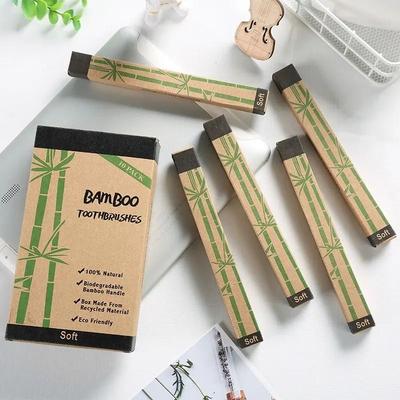
Uplift Essentials Natural Bamboo Eco Friendly Toothbrush 10 Piece Sustainable Family Pack Natural Bamboo Eco Friendly Toothbrush 10 Piece Sustainable Family PackTransition to a greener routine with this Natural Bamboo Toothbrush Set, a premium collection of bamboo products designed to reduce environmental impact without compromising on performance. Each handle is crafted from 100% sustainable bamboo,...37,97 $*Shipping: 0,00 $Secure redirect to the provider
-
Superior Eco-Friendly Sustainable Cotton 12-Piece Bathroom Towel SetMade with incredibly soft recycled cotton, the Eco-Friendly Sustainable Cotton Bathroom Towel Set is the perfect green addition to any bathroom space. Our sustainable Cotton towels are lightweight to get you dry quickly after a shower or bath.61,91 $*Shipping: 0,00 $Secure redirect to the provider
-
Superior Eco-Friendly Sustainable Cotton 6-Piece Bathroom Towel SetMade with incredibly soft recycled cotton, the Eco-Friendly Sustainable Cotton Bathroom Towel Set is the perfect green addition to any bathroom space. Our sustainable Cotton towels have a lightweight to get you dry quickly after a shower or bath.43,99 $*Shipping: 0,00 $Secure redirect to the provider
-
Superior Eco-Friendly Sustainable Cotton 12-Piece Bathroom Towel SetMade with incredibly soft recycled cotton, the Eco-Friendly Sustainable Cotton Bathroom Towel Set is the perfect green addition to any bathroom space. Our sustainable Cotton towels are lightweight to get you dry quickly after a shower or bath.78,99 $*Shipping: 0,00 $Secure redirect to the provider
-
How is ATP formed?
ATP is formed through the process of cellular respiration, which occurs in the mitochondria of cells. During cellular respiration, glucose is broken down in a series of steps, releasing energy that is used to convert ADP (adenosine diphosphate) into ATP (adenosine triphosphate). This process involves the electron transport chain and the production of ATP synthase, which adds a phosphate group to ADP to form ATP. Overall, ATP is formed through the transfer of energy from glucose to ADP, creating a molecule that serves as the primary energy source for cellular activities. **
-
Where does ATP come from?
ATP, or adenosine triphosphate, is produced in the mitochondria of cells through a process called cellular respiration. During cellular respiration, glucose is broken down in the presence of oxygen to produce ATP, which serves as the primary energy source for cellular activities. Additionally, ATP can also be generated through the process of photosynthesis in plant cells, where sunlight is used to convert carbon dioxide and water into glucose and oxygen, ultimately leading to the production of ATP. **
-
What are ATP and ADP?
ATP (adenosine triphosphate) is a molecule that stores and transfers energy within cells. It is often referred to as the "energy currency" of the cell because it provides the energy needed for various cellular processes. When ATP is used for energy, it is converted to ADP (adenosine diphosphate) by releasing one phosphate group, along with the energy stored in the bond. ADP can then be converted back to ATP through cellular respiration to replenish the cell's energy supply. **
-
What is ATP explained simply?
ATP, or adenosine triphosphate, is often referred to as the "energy currency" of the cell. It is a molecule that stores and transfers energy within cells for various cellular processes. When ATP is broken down into ADP (adenosine diphosphate) and inorganic phosphate, energy is released and can be used by the cell to fuel activities such as muscle contractions, nerve impulses, and protein synthesis. In essence, ATP provides the necessary energy for cells to carry out their functions and maintain life. **
Similar search terms for Atp
-
Superior Eco-Friendly Sustainable Cotton 12-Piece Bathroom Towel SetMade with incredibly soft recycled cotton, the Eco-Friendly Sustainable Cotton Bathroom Towel Set is the perfect green addition to any bathroom space. Our sustainable Cotton towels are lightweight to get you dry quickly after a shower or bath.63,19 $*Shipping: 0,00 $Secure redirect to the provider
-
Superior Eco-Friendly Sustainable Cotton 12-Piece Bathroom Towel SetMade with incredibly soft recycled cotton, the Eco-Friendly Sustainable Cotton Bathroom Towel Set is the perfect green addition to any bathroom space. Our sustainable Cotton towels are lightweight to get you dry quickly after a shower or bath.64,59 $*Shipping: 0,00 $Secure redirect to the provider
-
Superior Eco-Friendly Sustainable Cotton 12-Piece Bathroom Towel SetMade with incredibly soft recycled cotton, the Eco-Friendly Sustainable Cotton Bathroom Towel Set is the perfect green addition to any bathroom space. Our sustainable Cotton towels are lightweight to get you dry quickly after a shower or bath.80,99 $*Shipping: 0,00 $Secure redirect to the provider
-
Superior Eco-Friendly Sustainable Cotton 12-Piece Bathroom Towel SetMade with incredibly soft recycled cotton, the Eco-Friendly Sustainable Cotton Bathroom Towel Set is the perfect green addition to any bathroom space. Our sustainable Cotton towels are lightweight to get you dry quickly after a shower or bath.61,90 $*Shipping: 0,00 $Secure redirect to the provider
-
What are glucose and ATP?
Glucose is a simple sugar that serves as the primary source of energy for our cells. It is obtained from the food we eat and is broken down through a series of metabolic processes to produce ATP (adenosine triphosphate). ATP is often referred to as the "energy currency" of the cell because it stores and transfers energy within cells for various cellular functions. Both glucose and ATP play crucial roles in providing energy for the body to carry out its daily functions. **
-
What is ATP in biology?
ATP, or adenosine triphosphate, is a molecule that serves as the primary energy currency in living organisms. It is composed of an adenosine molecule and three phosphate groups, and its high-energy phosphate bonds store and release energy for cellular processes. ATP is produced during cellular respiration and photosynthesis, and it is used to power various biological processes such as muscle contraction, active transport, and chemical synthesis. In essence, ATP is essential for the functioning and survival of all living organisms. **
-
What is the difference between organic and eco-friendly products?
Organic products are made from ingredients that are grown without the use of synthetic pesticides, herbicides, or fertilizers, and are often certified by a regulatory body. Eco-friendly products, on the other hand, are designed to have minimal impact on the environment throughout their entire lifecycle, from production to disposal. While organic products focus on the natural ingredients used, eco-friendly products consider the overall environmental impact of the product. In essence, organic products focus on the ingredients, while eco-friendly products focus on the entire product lifecycle. **
-
What is ATP, KP, and ADP?
ATP (adenosine triphosphate) is a molecule that stores and transfers energy within cells. It is often referred to as the "energy currency" of the cell. KP (potassium phosphate) is a salt that contains potassium and phosphate ions. It is involved in various cellular processes, including energy metabolism. ADP (adenosine diphosphate) is a molecule that forms when ATP loses one of its phosphate groups during energy-releasing reactions. ADP can be converted back into ATP through cellular respiration to replenish the cell's energy supply. **
* All prices are inclusive of VAT and, if applicable, plus shipping costs. The offer information is based on the details provided by the respective shop and is updated through automated processes. Real-time updates do not occur, so deviations can occur in individual cases. ** Note: Parts of this content were created by AI.