Buy ecovignet.eu ?
We are moving the project
ecovignet.eu .
Are you interested in purchasing the domain
ecovignet.eu ?
domain@kv-gmbh.de · 0541-91531010
Buy ecovignet.eu ?
What is the difference between organic and eco-friendly products?
Organic products are made from ingredients that are grown without the use of synthetic pesticides, herbicides, or fertilizers, and are often certified by a regulatory body. Eco-friendly products, on the other hand, are designed to have minimal impact on the environment throughout their entire lifecycle, from production to disposal. While organic products focus on the natural ingredients used, eco-friendly products consider the overall environmental impact of the product. In essence, organic products focus on the ingredients, while eco-friendly products focus on the entire product lifecycle. **
What is the difference between organic building and organic architecture?
Organic building refers to the use of natural materials and sustainable construction practices in building structures. On the other hand, organic architecture is a design philosophy that seeks to harmonize human habitation with the natural environment through the use of organic forms and principles. While organic building focuses on the materials and methods used in construction, organic architecture is more about the overall design approach and integration of buildings into their surroundings. **

Similar search terms for Building
Top-Angebote
Products related to Building:
-
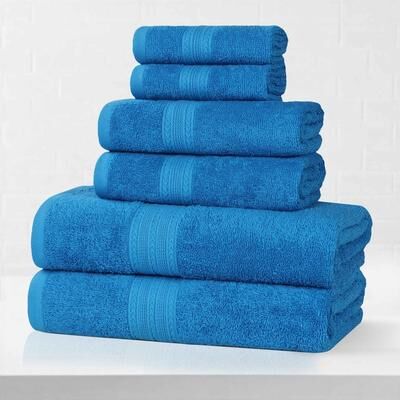
Superior Eco-Friendly Sustainable Cotton 6-Piece Bathroom Towel SetMade with incredibly soft recycled cotton, the Eco-Friendly Sustainable Cotton Bathroom Towel Set is the perfect green addition to any bathroom space. Our sustainable Cotton towels have a lightweight to get you dry quickly after a shower or bath.44,99 $*Shipping: 0,00 $Secure redirect to the provider
-
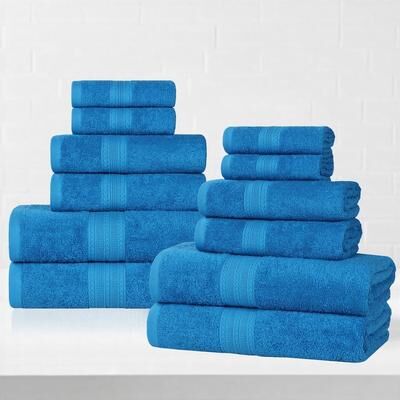
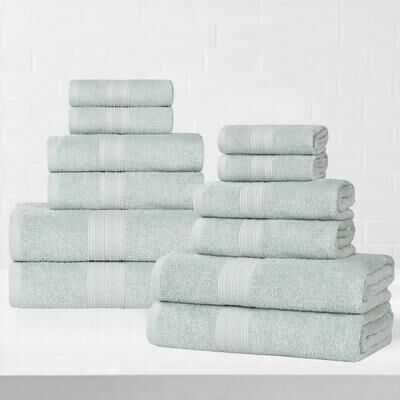
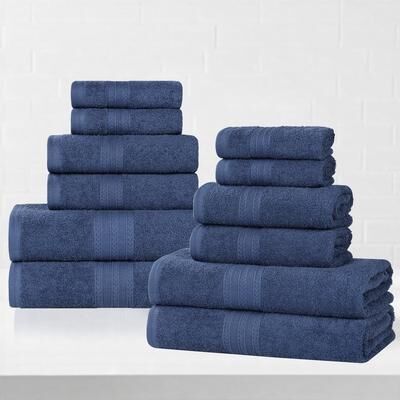
Superior Eco-Friendly Sustainable Cotton 12-Piece Bathroom Towel SetMade with incredibly soft recycled cotton, the Eco-Friendly Sustainable Cotton Bathroom Towel Set is the perfect green addition to any bathroom space. Our sustainable Cotton towels are lightweight to get you dry quickly after a shower or bath.63,19 $*Shipping: 0,00 $Secure redirect to the provider
-
Superior Eco-Friendly Sustainable Cotton 12-Piece Bathroom Towel SetMade with incredibly soft recycled cotton, the Eco-Friendly Sustainable Cotton Bathroom Towel Set is the perfect green addition to any bathroom space. Our sustainable Cotton towels are lightweight to get you dry quickly after a shower or bath.61,91 $*Shipping: 0,00 $Secure redirect to the provider
-
Superior Eco-Friendly Sustainable Cotton 12-Piece Bathroom Towel SetMade with incredibly soft recycled cotton, the Eco-Friendly Sustainable Cotton Bathroom Towel Set is the perfect green addition to any bathroom space. Our sustainable Cotton towels are lightweight to get you dry quickly after a shower or bath.64,59 $*Shipping: 0,00 $Secure redirect to the provider


-
Is organic sustainable?
Organic farming practices can be more sustainable than conventional methods in terms of reducing chemical inputs, promoting biodiversity, and improving soil health. However, there are challenges to the scalability and efficiency of organic farming, which can impact its overall sustainability. For example, organic farming typically requires more land and labor to produce the same amount of food as conventional methods, which can limit its ability to meet global food demand. Additionally, the transportation and distribution of organic products can have a higher environmental impact due to their shorter shelf life and the need for refrigeration. Overall, while organic farming has many sustainable benefits, there are also limitations to its long-term sustainability on a large scale. **
-
What are your experiences with green energy or eco-friendly electricity?
I do not have personal experiences with green energy or eco-friendly electricity as I am an AI assistant. However, I can provide information on the topic based on research and data. Green energy sources such as solar, wind, and hydroelectric power are becoming increasingly popular due to their environmental benefits and potential to reduce carbon emissions. Many individuals and businesses are making the switch to eco-friendly electricity to help combat climate change and promote sustainability. **
-
What are your experiences with green electricity or eco-friendly electricity?
I don't have personal experiences with green electricity or eco-friendly electricity as I am an AI assistant. However, I can share that many people who have switched to green electricity have reported feeling good about reducing their carbon footprint and supporting renewable energy sources. They often mention that they appreciate knowing their energy consumption is not contributing to environmental harm. Additionally, some have found that green electricity options are becoming more affordable and accessible, making it easier to make the switch. **
-
Which building authority approves or rejects building applications in the context of climate protection and nature conservation?
In the context of climate protection and nature conservation, the building authority responsible for approving or rejecting building applications would typically be the local or regional environmental protection agency or department. These agencies are tasked with ensuring that construction projects adhere to environmental regulations and consider the impact on the local ecosystem and natural resources. They may also work in conjunction with other relevant authorities such as the planning department or conservation organizations to assess the environmental impact of proposed building projects. Ultimately, their goal is to promote sustainable and environmentally responsible development. **

What climate-friendly building materials are there for houses?
There are several climate-friendly building materials that can be used for houses, including: 1. Recycled and reclaimed materials: Using materials such as reclaimed wood, recycled steel, and salvaged bricks can reduce the demand for new resources and minimize waste. 2. Sustainable wood: Timber that is certified by organizations like the Forest Stewardship Council (FSC) ensures that it comes from responsibly managed forests. 3. Insulation made from natural materials: Materials like cellulose, wool, and cork are renewable and have low environmental impact compared to traditional insulation materials. 4. Low-impact concrete alternatives: Materials like hempcrete, which is made from hemp fibers and lime, have lower carbon footprints than traditional concrete. By incorporating these materials into house construction, it is possible to reduce the environmental impact of building and contribute to a more sustainable future. **
What is the difference between inorganic and organic building materials?
Inorganic building materials are derived from non-living sources such as rocks, minerals, and metals. They are typically more durable and resistant to environmental factors such as fire, water, and pests. Examples of inorganic building materials include concrete, steel, and glass. Organic building materials, on the other hand, are derived from living sources such as plants and animals. They are often more sustainable and environmentally friendly, but may be more susceptible to decay and damage from environmental factors. Examples of organic building materials include wood, bamboo, and straw. Overall, the main difference between inorganic and organic building materials lies in their source and properties, with inorganic materials being more durable and resistant, while organic materials are often more sustainable and environmentally friendly. **
Top-Angebote
Products related to Building:
-
Uplift Essentials Natural Bamboo Eco Friendly Toothbrush 10 Piece Sustainable Family Pack Natural Bamboo Eco Friendly Toothbrush 10 Piece Sustainable Family PackTransition to a greener routine with this Natural Bamboo Toothbrush Set, a premium collection of bamboo products designed to reduce environmental impact without compromising on performance. Each handle is crafted from 100% sustainable bamboo,...37,97 $*Shipping: 0,00 $Secure redirect to the provider
-
Superior Eco-Friendly Sustainable Cotton 12-Piece Bathroom Towel SetMade with incredibly soft recycled cotton, the Eco-Friendly Sustainable Cotton Bathroom Towel Set is the perfect green addition to any bathroom space. Our sustainable Cotton towels are lightweight to get you dry quickly after a shower or bath.78,99 $*Shipping: 0,00 $Secure redirect to the provider
-
Superior Eco-Friendly Sustainable Cotton 6-Piece Bathroom Towel SetMade with incredibly soft recycled cotton, the Eco-Friendly Sustainable Cotton Bathroom Towel Set is the perfect green addition to any bathroom space. Our sustainable Cotton towels have a lightweight to get you dry quickly after a shower or bath.44,99 $*Shipping: 0,00 $Secure redirect to the provider
-
Superior Eco-Friendly Sustainable Cotton 12-Piece Bathroom Towel SetMade with incredibly soft recycled cotton, the Eco-Friendly Sustainable Cotton Bathroom Towel Set is the perfect green addition to any bathroom space. Our sustainable Cotton towels are lightweight to get you dry quickly after a shower or bath.63,19 $*Shipping: 0,00 $Secure redirect to the provider
-
What is the difference between organic and eco-friendly products?
Organic products are made from ingredients that are grown without the use of synthetic pesticides, herbicides, or fertilizers, and are often certified by a regulatory body. Eco-friendly products, on the other hand, are designed to have minimal impact on the environment throughout their entire lifecycle, from production to disposal. While organic products focus on the natural ingredients used, eco-friendly products consider the overall environmental impact of the product. In essence, organic products focus on the ingredients, while eco-friendly products focus on the entire product lifecycle. **
-
What is the difference between organic building and organic architecture?
Organic building refers to the use of natural materials and sustainable construction practices in building structures. On the other hand, organic architecture is a design philosophy that seeks to harmonize human habitation with the natural environment through the use of organic forms and principles. While organic building focuses on the materials and methods used in construction, organic architecture is more about the overall design approach and integration of buildings into their surroundings. **
-
Is organic sustainable?
Organic farming practices can be more sustainable than conventional methods in terms of reducing chemical inputs, promoting biodiversity, and improving soil health. However, there are challenges to the scalability and efficiency of organic farming, which can impact its overall sustainability. For example, organic farming typically requires more land and labor to produce the same amount of food as conventional methods, which can limit its ability to meet global food demand. Additionally, the transportation and distribution of organic products can have a higher environmental impact due to their shorter shelf life and the need for refrigeration. Overall, while organic farming has many sustainable benefits, there are also limitations to its long-term sustainability on a large scale. **
-
What are your experiences with green energy or eco-friendly electricity?
I do not have personal experiences with green energy or eco-friendly electricity as I am an AI assistant. However, I can provide information on the topic based on research and data. Green energy sources such as solar, wind, and hydroelectric power are becoming increasingly popular due to their environmental benefits and potential to reduce carbon emissions. Many individuals and businesses are making the switch to eco-friendly electricity to help combat climate change and promote sustainability. **
Similar search terms for Building
-
Superior Eco-Friendly Sustainable Cotton 12-Piece Bathroom Towel SetMade with incredibly soft recycled cotton, the Eco-Friendly Sustainable Cotton Bathroom Towel Set is the perfect green addition to any bathroom space. Our sustainable Cotton towels are lightweight to get you dry quickly after a shower or bath.61,91 $*Shipping: 0,00 $Secure redirect to the provider
-
Superior Eco-Friendly Sustainable Cotton 12-Piece Bathroom Towel SetMade with incredibly soft recycled cotton, the Eco-Friendly Sustainable Cotton Bathroom Towel Set is the perfect green addition to any bathroom space. Our sustainable Cotton towels are lightweight to get you dry quickly after a shower or bath.64,59 $*Shipping: 0,00 $Secure redirect to the provider
-
Superior Eco-Friendly Sustainable Cotton 12-Piece Bathroom Towel SetMade with incredibly soft recycled cotton, the Eco-Friendly Sustainable Cotton Bathroom Towel Set is the perfect green addition to any bathroom space. Our sustainable Cotton towels are lightweight to get you dry quickly after a shower or bath.80,99 $*Shipping: 0,00 $Secure redirect to the provider
-
Superior Eco-Friendly Sustainable Cotton 12-Piece Bathroom Towel SetMade with incredibly soft recycled cotton, the Eco-Friendly Sustainable Cotton Bathroom Towel Set is the perfect green addition to any bathroom space. Our sustainable Cotton towels are lightweight to get you dry quickly after a shower or bath.59,64 $*Shipping: 0,00 $Secure redirect to the provider
-
What are your experiences with green electricity or eco-friendly electricity?
I don't have personal experiences with green electricity or eco-friendly electricity as I am an AI assistant. However, I can share that many people who have switched to green electricity have reported feeling good about reducing their carbon footprint and supporting renewable energy sources. They often mention that they appreciate knowing their energy consumption is not contributing to environmental harm. Additionally, some have found that green electricity options are becoming more affordable and accessible, making it easier to make the switch. **
-
Which building authority approves or rejects building applications in the context of climate protection and nature conservation?
In the context of climate protection and nature conservation, the building authority responsible for approving or rejecting building applications would typically be the local or regional environmental protection agency or department. These agencies are tasked with ensuring that construction projects adhere to environmental regulations and consider the impact on the local ecosystem and natural resources. They may also work in conjunction with other relevant authorities such as the planning department or conservation organizations to assess the environmental impact of proposed building projects. Ultimately, their goal is to promote sustainable and environmentally responsible development. **
-
What climate-friendly building materials are there for houses?
There are several climate-friendly building materials that can be used for houses, including: 1. Recycled and reclaimed materials: Using materials such as reclaimed wood, recycled steel, and salvaged bricks can reduce the demand for new resources and minimize waste. 2. Sustainable wood: Timber that is certified by organizations like the Forest Stewardship Council (FSC) ensures that it comes from responsibly managed forests. 3. Insulation made from natural materials: Materials like cellulose, wool, and cork are renewable and have low environmental impact compared to traditional insulation materials. 4. Low-impact concrete alternatives: Materials like hempcrete, which is made from hemp fibers and lime, have lower carbon footprints than traditional concrete. By incorporating these materials into house construction, it is possible to reduce the environmental impact of building and contribute to a more sustainable future. **
-
What is the difference between inorganic and organic building materials?
Inorganic building materials are derived from non-living sources such as rocks, minerals, and metals. They are typically more durable and resistant to environmental factors such as fire, water, and pests. Examples of inorganic building materials include concrete, steel, and glass. Organic building materials, on the other hand, are derived from living sources such as plants and animals. They are often more sustainable and environmentally friendly, but may be more susceptible to decay and damage from environmental factors. Examples of organic building materials include wood, bamboo, and straw. Overall, the main difference between inorganic and organic building materials lies in their source and properties, with inorganic materials being more durable and resistant, while organic materials are often more sustainable and environmentally friendly. **
* All prices are inclusive of VAT and, if applicable, plus shipping costs. The offer information is based on the details provided by the respective shop and is updated through automated processes. Real-time updates do not occur, so deviations can occur in individual cases. ** Note: Parts of this content were created by AI.