Buy ecovignet.eu ?
We are moving the project
ecovignet.eu .
Are you interested in purchasing the domain
ecovignet.eu ?
domain@kv-gmbh.de · 0541-91531010
Buy ecovignet.eu ?
What is sustainable consumption in the economy?
Sustainable consumption in the economy refers to the use of goods and services in a way that minimizes negative environmental and social impacts, while also meeting the needs of present and future generations. This involves reducing resource use, minimizing waste, and choosing products and services that have a lower environmental and social footprint. Sustainable consumption also involves promoting ethical and fair trade practices, supporting local and organic products, and prioritizing renewable and energy-efficient technologies. Overall, sustainable consumption aims to create a more equitable and environmentally friendly economy that can be sustained over the long term. **
What is the difference between organic and eco-friendly products?
Organic products are made from ingredients that are grown without the use of synthetic pesticides, herbicides, or fertilizers, and are often certified by a regulatory body. Eco-friendly products, on the other hand, are designed to have minimal impact on the environment throughout their entire lifecycle, from production to disposal. While organic products focus on the natural ingredients used, eco-friendly products consider the overall environmental impact of the product. In essence, organic products focus on the ingredients, while eco-friendly products focus on the entire product lifecycle. **

Similar search terms for Consumption
Top-Angebote
Products related to Consumption:
-
Superior Eco-Friendly Sustainable Cotton 6-Piece Bathroom Towel SetMade with incredibly soft recycled cotton, the Eco-Friendly Sustainable Cotton Bathroom Towel Set is the perfect green addition to any bathroom space. Our sustainable Cotton towels have a lightweight to get you dry quickly after a shower or bath.44,99 $*Shipping: 0,00 $Secure redirect to the provider
-
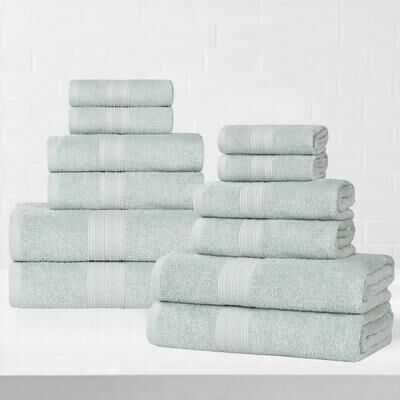
Superior Eco-Friendly Sustainable Cotton 12-Piece Bathroom Towel SetMade with incredibly soft recycled cotton, the Eco-Friendly Sustainable Cotton Bathroom Towel Set is the perfect green addition to any bathroom space. Our sustainable Cotton towels are lightweight to get you dry quickly after a shower or bath.63,19 $*Shipping: 0,00 $Secure redirect to the provider
-
Superior Eco-Friendly Sustainable Cotton 12-Piece Bathroom Towel SetMade with incredibly soft recycled cotton, the Eco-Friendly Sustainable Cotton Bathroom Towel Set is the perfect green addition to any bathroom space. Our sustainable Cotton towels are lightweight to get you dry quickly after a shower or bath.61,91 $*Shipping: 0,00 $Secure redirect to the provider
-
Superior Eco-Friendly Sustainable Cotton 12-Piece Bathroom Towel SetMade with incredibly soft recycled cotton, the Eco-Friendly Sustainable Cotton Bathroom Towel Set is the perfect green addition to any bathroom space. Our sustainable Cotton towels are lightweight to get you dry quickly after a shower or bath.64,59 $*Shipping: 0,00 $Secure redirect to the provider



-
How does meat consumption affect the environment?
Meat consumption has a significant impact on the environment due to the large amount of resources required for livestock farming. The production of meat contributes to deforestation, greenhouse gas emissions, water pollution, and biodiversity loss. Livestock farming also requires vast amounts of water and feed, leading to water scarcity and land degradation. Reducing meat consumption can help mitigate these environmental impacts and promote sustainability. **
-
Why does meat consumption harm the environment?
Meat consumption harms the environment in several ways. Firstly, the livestock industry is a major contributor to greenhouse gas emissions, particularly methane and nitrous oxide, which are potent contributors to climate change. Additionally, raising livestock requires a significant amount of land, water, and feed, leading to deforestation, water depletion, and habitat destruction. The production and transportation of meat also contribute to air and water pollution. Overall, the environmental impact of meat consumption is significant and contributes to a range of environmental problems. **
-
Is organic sustainable?
Organic farming practices can be more sustainable than conventional methods in terms of reducing chemical inputs, promoting biodiversity, and improving soil health. However, there are challenges to the scalability and efficiency of organic farming, which can impact its overall sustainability. For example, organic farming typically requires more land and labor to produce the same amount of food as conventional methods, which can limit its ability to meet global food demand. Additionally, the transportation and distribution of organic products can have a higher environmental impact due to their shorter shelf life and the need for refrigeration. Overall, while organic farming has many sustainable benefits, there are also limitations to its long-term sustainability on a large scale. **
-
What are the advantages and disadvantages of sustainable consumption?
The advantages of sustainable consumption include reducing environmental impact, conserving natural resources, and promoting social responsibility. By consuming sustainably, individuals can help mitigate climate change, protect biodiversity, and support ethical and fair labor practices. Additionally, sustainable consumption can lead to cost savings in the long run by reducing waste and promoting efficient use of resources. However, the disadvantages of sustainable consumption may include higher upfront costs for eco-friendly products and limited availability of sustainable options in some areas. Additionally, changing consumption habits and behaviors can be challenging for individuals and may require significant effort and education. Furthermore, there may be trade-offs between sustainability and convenience or product performance in some cases. **


Why does excessive water consumption harm the environment?
Excessive water consumption harms the environment because it can lead to the depletion of natural water sources such as rivers, lakes, and aquifers. This can disrupt ecosystems and harm wildlife that depend on these water sources for survival. Additionally, excessive water consumption can lead to soil erosion and desertification, as well as contribute to water pollution from agricultural runoff and industrial waste. Overall, excessive water consumption puts a strain on the environment and can lead to long-term negative impacts on ecosystems and biodiversity. **
Why is high energy consumption bad for the environment?
High energy consumption is bad for the environment because it leads to increased greenhouse gas emissions, which contribute to global warming and climate change. The extraction and burning of fossil fuels to meet high energy demands also result in air and water pollution, harming ecosystems and human health. Additionally, high energy consumption depletes natural resources and accelerates habitat destruction, further impacting biodiversity and the overall health of the planet. **
Top-Angebote
Products related to Consumption:
-
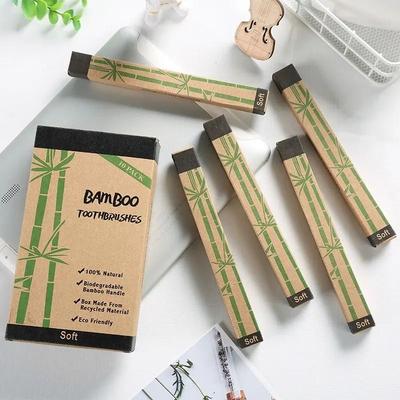
Uplift Essentials Natural Bamboo Eco Friendly Toothbrush 10 Piece Sustainable Family Pack Natural Bamboo Eco Friendly Toothbrush 10 Piece Sustainable Family PackTransition to a greener routine with this Natural Bamboo Toothbrush Set, a premium collection of bamboo products designed to reduce environmental impact without compromising on performance. Each handle is crafted from 100% sustainable bamboo,...37,97 $*Shipping: 0,00 $Secure redirect to the provider
-
Superior Eco-Friendly Sustainable Cotton 12-Piece Bathroom Towel SetMade with incredibly soft recycled cotton, the Eco-Friendly Sustainable Cotton Bathroom Towel Set is the perfect green addition to any bathroom space. Our sustainable Cotton towels are lightweight to get you dry quickly after a shower or bath.78,99 $*Shipping: 0,00 $Secure redirect to the provider
-
Superior Eco-Friendly Sustainable Cotton 6-Piece Bathroom Towel SetMade with incredibly soft recycled cotton, the Eco-Friendly Sustainable Cotton Bathroom Towel Set is the perfect green addition to any bathroom space. Our sustainable Cotton towels have a lightweight to get you dry quickly after a shower or bath.44,99 $*Shipping: 0,00 $Secure redirect to the provider
-
Superior Eco-Friendly Sustainable Cotton 12-Piece Bathroom Towel SetMade with incredibly soft recycled cotton, the Eco-Friendly Sustainable Cotton Bathroom Towel Set is the perfect green addition to any bathroom space. Our sustainable Cotton towels are lightweight to get you dry quickly after a shower or bath.63,19 $*Shipping: 0,00 $Secure redirect to the provider
-
What is sustainable consumption in the economy?
Sustainable consumption in the economy refers to the use of goods and services in a way that minimizes negative environmental and social impacts, while also meeting the needs of present and future generations. This involves reducing resource use, minimizing waste, and choosing products and services that have a lower environmental and social footprint. Sustainable consumption also involves promoting ethical and fair trade practices, supporting local and organic products, and prioritizing renewable and energy-efficient technologies. Overall, sustainable consumption aims to create a more equitable and environmentally friendly economy that can be sustained over the long term. **
-
What is the difference between organic and eco-friendly products?
Organic products are made from ingredients that are grown without the use of synthetic pesticides, herbicides, or fertilizers, and are often certified by a regulatory body. Eco-friendly products, on the other hand, are designed to have minimal impact on the environment throughout their entire lifecycle, from production to disposal. While organic products focus on the natural ingredients used, eco-friendly products consider the overall environmental impact of the product. In essence, organic products focus on the ingredients, while eco-friendly products focus on the entire product lifecycle. **
-
How does meat consumption affect the environment?
Meat consumption has a significant impact on the environment due to the large amount of resources required for livestock farming. The production of meat contributes to deforestation, greenhouse gas emissions, water pollution, and biodiversity loss. Livestock farming also requires vast amounts of water and feed, leading to water scarcity and land degradation. Reducing meat consumption can help mitigate these environmental impacts and promote sustainability. **
-
Why does meat consumption harm the environment?
Meat consumption harms the environment in several ways. Firstly, the livestock industry is a major contributor to greenhouse gas emissions, particularly methane and nitrous oxide, which are potent contributors to climate change. Additionally, raising livestock requires a significant amount of land, water, and feed, leading to deforestation, water depletion, and habitat destruction. The production and transportation of meat also contribute to air and water pollution. Overall, the environmental impact of meat consumption is significant and contributes to a range of environmental problems. **
Similar search terms for Consumption
-
Superior Eco-Friendly Sustainable Cotton 12-Piece Bathroom Towel SetMade with incredibly soft recycled cotton, the Eco-Friendly Sustainable Cotton Bathroom Towel Set is the perfect green addition to any bathroom space. Our sustainable Cotton towels are lightweight to get you dry quickly after a shower or bath.61,91 $*Shipping: 0,00 $Secure redirect to the provider
-
Superior Eco-Friendly Sustainable Cotton 12-Piece Bathroom Towel SetMade with incredibly soft recycled cotton, the Eco-Friendly Sustainable Cotton Bathroom Towel Set is the perfect green addition to any bathroom space. Our sustainable Cotton towels are lightweight to get you dry quickly after a shower or bath.64,59 $*Shipping: 0,00 $Secure redirect to the provider
-
Superior Eco-Friendly Sustainable Cotton 12-Piece Bathroom Towel SetMade with incredibly soft recycled cotton, the Eco-Friendly Sustainable Cotton Bathroom Towel Set is the perfect green addition to any bathroom space. Our sustainable Cotton towels are lightweight to get you dry quickly after a shower or bath.80,99 $*Shipping: 0,00 $Secure redirect to the provider
-
Superior Eco-Friendly Sustainable Cotton 12-Piece Bathroom Towel SetMade with incredibly soft recycled cotton, the Eco-Friendly Sustainable Cotton Bathroom Towel Set is the perfect green addition to any bathroom space. Our sustainable Cotton towels are lightweight to get you dry quickly after a shower or bath.59,64 $*Shipping: 0,00 $Secure redirect to the provider
-
Is organic sustainable?
Organic farming practices can be more sustainable than conventional methods in terms of reducing chemical inputs, promoting biodiversity, and improving soil health. However, there are challenges to the scalability and efficiency of organic farming, which can impact its overall sustainability. For example, organic farming typically requires more land and labor to produce the same amount of food as conventional methods, which can limit its ability to meet global food demand. Additionally, the transportation and distribution of organic products can have a higher environmental impact due to their shorter shelf life and the need for refrigeration. Overall, while organic farming has many sustainable benefits, there are also limitations to its long-term sustainability on a large scale. **
-
What are the advantages and disadvantages of sustainable consumption?
The advantages of sustainable consumption include reducing environmental impact, conserving natural resources, and promoting social responsibility. By consuming sustainably, individuals can help mitigate climate change, protect biodiversity, and support ethical and fair labor practices. Additionally, sustainable consumption can lead to cost savings in the long run by reducing waste and promoting efficient use of resources. However, the disadvantages of sustainable consumption may include higher upfront costs for eco-friendly products and limited availability of sustainable options in some areas. Additionally, changing consumption habits and behaviors can be challenging for individuals and may require significant effort and education. Furthermore, there may be trade-offs between sustainability and convenience or product performance in some cases. **
-
Why does excessive water consumption harm the environment?
Excessive water consumption harms the environment because it can lead to the depletion of natural water sources such as rivers, lakes, and aquifers. This can disrupt ecosystems and harm wildlife that depend on these water sources for survival. Additionally, excessive water consumption can lead to soil erosion and desertification, as well as contribute to water pollution from agricultural runoff and industrial waste. Overall, excessive water consumption puts a strain on the environment and can lead to long-term negative impacts on ecosystems and biodiversity. **
-
Why is high energy consumption bad for the environment?
High energy consumption is bad for the environment because it leads to increased greenhouse gas emissions, which contribute to global warming and climate change. The extraction and burning of fossil fuels to meet high energy demands also result in air and water pollution, harming ecosystems and human health. Additionally, high energy consumption depletes natural resources and accelerates habitat destruction, further impacting biodiversity and the overall health of the planet. **
* All prices are inclusive of VAT and, if applicable, plus shipping costs. The offer information is based on the details provided by the respective shop and is updated through automated processes. Real-time updates do not occur, so deviations can occur in individual cases. ** Note: Parts of this content were created by AI.