Buy ecovignet.eu ?
We are moving the project
ecovignet.eu .
Are you interested in purchasing the domain
ecovignet.eu ?
domain@kv-gmbh.de · 0541-91531010
Buy ecovignet.eu ?
Are green plants producers?
Yes, green plants are producers because they are able to produce their own food through the process of photosynthesis. They use sunlight, water, and carbon dioxide to create glucose, which serves as their source of energy. This ability to produce their own food makes green plants the foundation of the food chain, providing energy for all other organisms in the ecosystem. **
Why are plants green?
Plants are green because of the pigment chlorophyll, which is essential for the process of photosynthesis. Chlorophyll absorbs red and blue light from the sun and reflects green light, giving plants their green color. This allows plants to capture the energy from sunlight and convert it into chemical energy to fuel their growth and survival. The green color of plants also helps them blend in with their surroundings, providing them with some protection from predators. **

Similar search terms for Plants
Top-Angebote
Products related to Plants:
-
Superior Eco-Friendly Sustainable Cotton 6-Piece Bathroom Towel SetMade with incredibly soft recycled cotton, the Eco-Friendly Sustainable Cotton Bathroom Towel Set is the perfect green addition to any bathroom space. Our sustainable Cotton towels have a lightweight to get you dry quickly after a shower or bath.43,99 $*Shipping: 0,00 $Secure redirect to the provider
-
Superior Eco-Friendly Sustainable Cotton 12-Piece Bathroom Towel SetMade with incredibly soft recycled cotton, the Eco-Friendly Sustainable Cotton Bathroom Towel Set is the perfect green addition to any bathroom space. Our sustainable Cotton towels are lightweight to get you dry quickly after a shower or bath.78,99 $*Shipping: 0,00 $Secure redirect to the provider
-
Superior Eco-Friendly Sustainable Cotton 12-Piece Bathroom Towel SetMade with incredibly soft recycled cotton, the Eco-Friendly Sustainable Cotton Bathroom Towel Set is the perfect green addition to any bathroom space. Our sustainable Cotton towels are lightweight to get you dry quickly after a shower or bath.63,19 $*Shipping: 0,00 $Secure redirect to the provider
-
Superior Eco-Friendly Sustainable Cotton 12-Piece Bathroom Towel SetMade with incredibly soft recycled cotton, the Eco-Friendly Sustainable Cotton Bathroom Towel Set is the perfect green addition to any bathroom space. Our sustainable Cotton towels are lightweight to get you dry quickly after a shower or bath.64,59 $*Shipping: 0,00 $Secure redirect to the provider




-
What is the difference between organic and eco-friendly products?
Organic products are made from ingredients that are grown without the use of synthetic pesticides, herbicides, or fertilizers, and are often certified by a regulatory body. Eco-friendly products, on the other hand, are designed to have minimal impact on the environment throughout their entire lifecycle, from production to disposal. While organic products focus on the natural ingredients used, eco-friendly products consider the overall environmental impact of the product. In essence, organic products focus on the ingredients, while eco-friendly products focus on the entire product lifecycle. **
-
What is more environmentally friendly: coal power plants or nuclear power plants?
Nuclear power plants are generally considered more environmentally friendly than coal power plants. While both types of plants produce electricity with low greenhouse gas emissions, coal power plants release higher levels of carbon dioxide, sulfur dioxide, and nitrogen oxides, contributing to air pollution and climate change. On the other hand, nuclear power plants produce no greenhouse gas emissions during operation and have a smaller environmental footprint in terms of land use and waste generation. However, nuclear power plants do pose risks related to radioactive waste disposal and the potential for accidents, which must be carefully managed. **
-
Is organic sustainable?
Organic farming practices can be more sustainable than conventional methods in terms of reducing chemical inputs, promoting biodiversity, and improving soil health. However, there are challenges to the scalability and efficiency of organic farming, which can impact its overall sustainability. For example, organic farming typically requires more land and labor to produce the same amount of food as conventional methods, which can limit its ability to meet global food demand. Additionally, the transportation and distribution of organic products can have a higher environmental impact due to their shorter shelf life and the need for refrigeration. Overall, while organic farming has many sustainable benefits, there are also limitations to its long-term sustainability on a large scale. **
-
Can plants sense and feel their environment?
Plants do not have a nervous system or a brain like animals do, so they do not have the ability to feel or sense their environment in the same way. However, plants do have mechanisms to detect and respond to changes in their environment, such as light, gravity, and touch. They can also respond to stressors like drought, pests, and disease. These responses are controlled by chemical signals and processes within the plant, rather than through a nervous system. Overall, while plants do not "feel" their environment in the same way animals do, they do have sophisticated ways of detecting and responding to changes in their surroundings. **


Is organic herbal soil suitable for indoor plants?
Yes, organic herbal soil can be suitable for indoor plants. Organic herbal soil is typically rich in nutrients and promotes good drainage, which can be beneficial for indoor plants. However, it's important to ensure that the soil is well-draining and not too heavy, as this can lead to waterlogging and root rot in indoor plants. Additionally, some indoor plants may have specific soil requirements, so it's important to consider the specific needs of the plants you are growing. **
Why can't plants absorb green light?
Plants cannot absorb green light because they primarily use chlorophyll to carry out photosynthesis, and chlorophyll is not efficient at absorbing green light. Instead, chlorophyll absorbs more red and blue light, which is then used to convert carbon dioxide and water into glucose and oxygen. The green light that is not absorbed is reflected, giving plants their green color. This is why plants appear green to our eyes, as they are not utilizing the green light for photosynthesis. **
Top-Angebote
Products related to Plants:
-
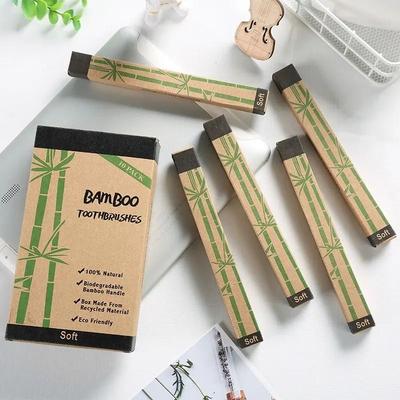
Uplift Essentials Natural Bamboo Eco Friendly Toothbrush 10 Piece Sustainable Family Pack Natural Bamboo Eco Friendly Toothbrush 10 Piece Sustainable Family PackTransition to a greener routine with this Natural Bamboo Toothbrush Set, a premium collection of bamboo products designed to reduce environmental impact without compromising on performance. Each handle is crafted from 100% sustainable bamboo,...37,97 $*Shipping: 0,00 $Secure redirect to the provider
-
Superior Eco-Friendly Sustainable Cotton 12-Piece Bathroom Towel SetMade with incredibly soft recycled cotton, the Eco-Friendly Sustainable Cotton Bathroom Towel Set is the perfect green addition to any bathroom space. Our sustainable Cotton towels are lightweight to get you dry quickly after a shower or bath.61,91 $*Shipping: 0,00 $Secure redirect to the provider
-
Superior Eco-Friendly Sustainable Cotton 6-Piece Bathroom Towel SetMade with incredibly soft recycled cotton, the Eco-Friendly Sustainable Cotton Bathroom Towel Set is the perfect green addition to any bathroom space. Our sustainable Cotton towels have a lightweight to get you dry quickly after a shower or bath.43,99 $*Shipping: 0,00 $Secure redirect to the provider
-
Superior Eco-Friendly Sustainable Cotton 12-Piece Bathroom Towel SetMade with incredibly soft recycled cotton, the Eco-Friendly Sustainable Cotton Bathroom Towel Set is the perfect green addition to any bathroom space. Our sustainable Cotton towels are lightweight to get you dry quickly after a shower or bath.78,99 $*Shipping: 0,00 $Secure redirect to the provider
-
Are green plants producers?
Yes, green plants are producers because they are able to produce their own food through the process of photosynthesis. They use sunlight, water, and carbon dioxide to create glucose, which serves as their source of energy. This ability to produce their own food makes green plants the foundation of the food chain, providing energy for all other organisms in the ecosystem. **
-
Why are plants green?
Plants are green because of the pigment chlorophyll, which is essential for the process of photosynthesis. Chlorophyll absorbs red and blue light from the sun and reflects green light, giving plants their green color. This allows plants to capture the energy from sunlight and convert it into chemical energy to fuel their growth and survival. The green color of plants also helps them blend in with their surroundings, providing them with some protection from predators. **
-
What is the difference between organic and eco-friendly products?
Organic products are made from ingredients that are grown without the use of synthetic pesticides, herbicides, or fertilizers, and are often certified by a regulatory body. Eco-friendly products, on the other hand, are designed to have minimal impact on the environment throughout their entire lifecycle, from production to disposal. While organic products focus on the natural ingredients used, eco-friendly products consider the overall environmental impact of the product. In essence, organic products focus on the ingredients, while eco-friendly products focus on the entire product lifecycle. **
-
What is more environmentally friendly: coal power plants or nuclear power plants?
Nuclear power plants are generally considered more environmentally friendly than coal power plants. While both types of plants produce electricity with low greenhouse gas emissions, coal power plants release higher levels of carbon dioxide, sulfur dioxide, and nitrogen oxides, contributing to air pollution and climate change. On the other hand, nuclear power plants produce no greenhouse gas emissions during operation and have a smaller environmental footprint in terms of land use and waste generation. However, nuclear power plants do pose risks related to radioactive waste disposal and the potential for accidents, which must be carefully managed. **
Similar search terms for Plants
-
Superior Eco-Friendly Sustainable Cotton 12-Piece Bathroom Towel SetMade with incredibly soft recycled cotton, the Eco-Friendly Sustainable Cotton Bathroom Towel Set is the perfect green addition to any bathroom space. Our sustainable Cotton towels are lightweight to get you dry quickly after a shower or bath.63,19 $*Shipping: 0,00 $Secure redirect to the provider
-
Superior Eco-Friendly Sustainable Cotton 12-Piece Bathroom Towel SetMade with incredibly soft recycled cotton, the Eco-Friendly Sustainable Cotton Bathroom Towel Set is the perfect green addition to any bathroom space. Our sustainable Cotton towels are lightweight to get you dry quickly after a shower or bath.64,59 $*Shipping: 0,00 $Secure redirect to the provider
-
Superior Eco-Friendly Sustainable Cotton 12-Piece Bathroom Towel SetMade with incredibly soft recycled cotton, the Eco-Friendly Sustainable Cotton Bathroom Towel Set is the perfect green addition to any bathroom space. Our sustainable Cotton towels are lightweight to get you dry quickly after a shower or bath.80,99 $*Shipping: 0,00 $Secure redirect to the provider
-
Superior Eco-Friendly Sustainable Cotton 12-Piece Bathroom Towel SetMade with incredibly soft recycled cotton, the Eco-Friendly Sustainable Cotton Bathroom Towel Set is the perfect green addition to any bathroom space. Our sustainable Cotton towels are lightweight to get you dry quickly after a shower or bath.61,90 $*Shipping: 0,00 $Secure redirect to the provider
-
Is organic sustainable?
Organic farming practices can be more sustainable than conventional methods in terms of reducing chemical inputs, promoting biodiversity, and improving soil health. However, there are challenges to the scalability and efficiency of organic farming, which can impact its overall sustainability. For example, organic farming typically requires more land and labor to produce the same amount of food as conventional methods, which can limit its ability to meet global food demand. Additionally, the transportation and distribution of organic products can have a higher environmental impact due to their shorter shelf life and the need for refrigeration. Overall, while organic farming has many sustainable benefits, there are also limitations to its long-term sustainability on a large scale. **
-
Can plants sense and feel their environment?
Plants do not have a nervous system or a brain like animals do, so they do not have the ability to feel or sense their environment in the same way. However, plants do have mechanisms to detect and respond to changes in their environment, such as light, gravity, and touch. They can also respond to stressors like drought, pests, and disease. These responses are controlled by chemical signals and processes within the plant, rather than through a nervous system. Overall, while plants do not "feel" their environment in the same way animals do, they do have sophisticated ways of detecting and responding to changes in their surroundings. **
-
Is organic herbal soil suitable for indoor plants?
Yes, organic herbal soil can be suitable for indoor plants. Organic herbal soil is typically rich in nutrients and promotes good drainage, which can be beneficial for indoor plants. However, it's important to ensure that the soil is well-draining and not too heavy, as this can lead to waterlogging and root rot in indoor plants. Additionally, some indoor plants may have specific soil requirements, so it's important to consider the specific needs of the plants you are growing. **
-
Why can't plants absorb green light?
Plants cannot absorb green light because they primarily use chlorophyll to carry out photosynthesis, and chlorophyll is not efficient at absorbing green light. Instead, chlorophyll absorbs more red and blue light, which is then used to convert carbon dioxide and water into glucose and oxygen. The green light that is not absorbed is reflected, giving plants their green color. This is why plants appear green to our eyes, as they are not utilizing the green light for photosynthesis. **
* All prices are inclusive of VAT and, if applicable, plus shipping costs. The offer information is based on the details provided by the respective shop and is updated through automated processes. Real-time updates do not occur, so deviations can occur in individual cases. ** Note: Parts of this content were created by AI.