Buy ecovignet.eu ?
We are moving the project
ecovignet.eu .
Are you interested in purchasing the domain
ecovignet.eu ?
domain@kv-gmbh.de · 0541-91531010
Buy ecovignet.eu ?
Are renewable resources the same as sustainable resources?
Renewable resources and sustainable resources are related concepts but not exactly the same. Renewable resources are those that can be replenished naturally over time, such as sunlight, wind, and water. Sustainable resources, on the other hand, refer to resources that are managed in a way that meets current needs without compromising the ability of future generations to meet their own needs. While renewable resources are often considered sustainable, not all sustainable resources are necessarily renewable, as some non-renewable resources can be managed in a way that ensures their long-term availability. **
Is the organic teaching degree very difficult?
The difficulty of an organic teaching degree can vary depending on the individual's strengths and interests. Some may find the coursework and practical experience challenging, while others may find it manageable. The degree typically requires a strong understanding of educational theory and practice, as well as the ability to effectively communicate and engage with students. Overall, the difficulty of the degree may depend on the individual's dedication and commitment to the field of education. **

Similar search terms for Scholastic-Teaching-Resources-Phonics
Top-Angebote
Products related to Scholastic-Teaching-Resources-Phonics:
-
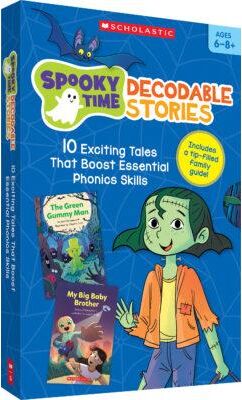
Scholastic Teaching Resources Spooky Time Decodable StoriesTime to take your child to the next level as a reader with this spooky set of humorous, highly decodable stories! Inside this box, you'll find 10 tales featuring 4-8 sentences per page and just-right text with words containing short and long vowels,...23,99 $*Shipping: 0,00 $Secure redirect to the provider
-
Scholastic Teaching Resources Scholastic Success With Grade 5 Value PackReinforce key skills with these exciting practice books!This set includes:Scholastic Success With Grade 5: Fractions & DecimalsScholastic Success With Grade 5: GrammarScholastic Success With Grade 5: MathScholastic Success With Grade 5: Math...41,59 $*Shipping: 0,00 $Secure redirect to the provider
-
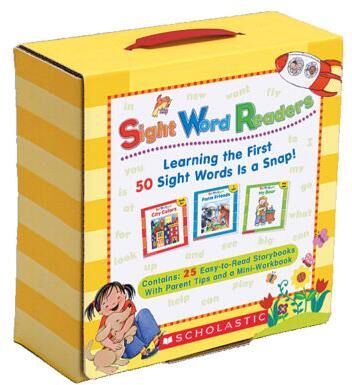
Scholastic Teaching Resources Sight Word Readers Parent PackHelp your child soar in reading with this set of 25 little books that teach 50 of the most frequently used words in print! Kids will love these playful stories they can read all by themselves. You'll love the fact that each one builds reading skills...23,99 $*Shipping: 0,00 $Secure redirect to the provider


-
Why are oil, natural gas, and coal not examples of sustainable resources?
Oil, natural gas, and coal are not examples of sustainable resources because they are finite and non-renewable sources of energy. Once these resources are extracted and burned, they cannot be replaced within a human lifetime. Additionally, the extraction and burning of these fossil fuels contribute to environmental degradation and climate change. Therefore, relying on these resources for energy production is not sustainable in the long term. **
-
What is the difference between organic and eco-friendly products?
Organic products are made from ingredients that are grown without the use of synthetic pesticides, herbicides, or fertilizers, and are often certified by a regulatory body. Eco-friendly products, on the other hand, are designed to have minimal impact on the environment throughout their entire lifecycle, from production to disposal. While organic products focus on the natural ingredients used, eco-friendly products consider the overall environmental impact of the product. In essence, organic products focus on the ingredients, while eco-friendly products focus on the entire product lifecycle. **
-
Is organic sustainable?
Organic farming practices can be more sustainable than conventional methods in terms of reducing chemical inputs, promoting biodiversity, and improving soil health. However, there are challenges to the scalability and efficiency of organic farming, which can impact its overall sustainability. For example, organic farming typically requires more land and labor to produce the same amount of food as conventional methods, which can limit its ability to meet global food demand. Additionally, the transportation and distribution of organic products can have a higher environmental impact due to their shorter shelf life and the need for refrigeration. Overall, while organic farming has many sustainable benefits, there are also limitations to its long-term sustainability on a large scale. **
-
What are operational resources?
Operational resources refer to the physical, financial, human, and technological assets that a company uses on a day-to-day basis to carry out its business activities. These resources are essential for the organization to function efficiently and effectively. Examples of operational resources include machinery, equipment, inventory, cash, employees, and software systems. Proper management and allocation of operational resources are crucial for the success and sustainability of a business. **

What does resources mean?
Resources refer to the materials, tools, and assets that are available to be used in order to achieve a particular goal or objective. These can include natural resources such as water, minerals, and forests, as well as human resources such as labor and expertise. In a broader sense, resources can also encompass financial capital, technology, and knowledge that can be utilized to create value or solve problems. Overall, resources are the essential components that enable individuals, organizations, and societies to function and thrive. **
What are living resources?
Living resources refer to the various organisms and ecosystems that are essential for supporting life on Earth. This includes plants, animals, microorganisms, and the habitats they live in. These resources provide food, medicine, raw materials, and ecological services that are vital for human survival and well-being. Protecting and managing living resources is crucial for maintaining biodiversity and ensuring the sustainability of ecosystems. **
Top-Angebote
Products related to Scholastic-Teaching-Resources-Phonics:
-
Scholastic Teaching Resources Phonics First Little Readers (Parent Pack)Set your child on the road to reading success with this library of adorable, illustrated mini books. The fun, easy-to-read stories in this collection give your child practice with must-know phonics skills, such as short vowels, long vowels,...20,39 $*Shipping: 0,00 $Secure redirect to the provider
-
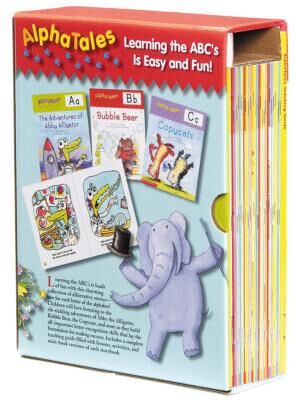
Scholastic Teaching Resources AlphaTales Box Set"A set of 26 irresistible animal storybooks that build phonemic awareness and teach each letter of the alphabet. Box set includes:- 26 full-color, 16-page 8"" x 10"" storybooks- 128-page teaching guide with lessons and mini-book versions of each..."74,99 $*Shipping: 0,00 $Secure redirect to the provider
-
Scholastic Teaching Resources Spooky Time Decodable StoriesTime to take your child to the next level as a reader with this spooky set of humorous, highly decodable stories! Inside this box, you'll find 10 tales featuring 4-8 sentences per page and just-right text with words containing short and long vowels,...23,99 $*Shipping: 0,00 $Secure redirect to the provider
-
Scholastic Teaching Resources Scholastic Success With Grade 5 Value PackReinforce key skills with these exciting practice books!This set includes:Scholastic Success With Grade 5: Fractions & DecimalsScholastic Success With Grade 5: GrammarScholastic Success With Grade 5: MathScholastic Success With Grade 5: Math...41,59 $*Shipping: 0,00 $Secure redirect to the provider
-
Are renewable resources the same as sustainable resources?
Renewable resources and sustainable resources are related concepts but not exactly the same. Renewable resources are those that can be replenished naturally over time, such as sunlight, wind, and water. Sustainable resources, on the other hand, refer to resources that are managed in a way that meets current needs without compromising the ability of future generations to meet their own needs. While renewable resources are often considered sustainable, not all sustainable resources are necessarily renewable, as some non-renewable resources can be managed in a way that ensures their long-term availability. **
-
Is the organic teaching degree very difficult?
The difficulty of an organic teaching degree can vary depending on the individual's strengths and interests. Some may find the coursework and practical experience challenging, while others may find it manageable. The degree typically requires a strong understanding of educational theory and practice, as well as the ability to effectively communicate and engage with students. Overall, the difficulty of the degree may depend on the individual's dedication and commitment to the field of education. **
-
Why are oil, natural gas, and coal not examples of sustainable resources?
Oil, natural gas, and coal are not examples of sustainable resources because they are finite and non-renewable sources of energy. Once these resources are extracted and burned, they cannot be replaced within a human lifetime. Additionally, the extraction and burning of these fossil fuels contribute to environmental degradation and climate change. Therefore, relying on these resources for energy production is not sustainable in the long term. **
-
What is the difference between organic and eco-friendly products?
Organic products are made from ingredients that are grown without the use of synthetic pesticides, herbicides, or fertilizers, and are often certified by a regulatory body. Eco-friendly products, on the other hand, are designed to have minimal impact on the environment throughout their entire lifecycle, from production to disposal. While organic products focus on the natural ingredients used, eco-friendly products consider the overall environmental impact of the product. In essence, organic products focus on the ingredients, while eco-friendly products focus on the entire product lifecycle. **
Similar search terms for Scholastic-Teaching-Resources-Phonics
-
Scholastic Teaching Resources Sight Word Readers Parent PackHelp your child soar in reading with this set of 25 little books that teach 50 of the most frequently used words in print! Kids will love these playful stories they can read all by themselves. You'll love the fact that each one builds reading skills...23,99 $*Shipping: 0,00 $Secure redirect to the provider
-
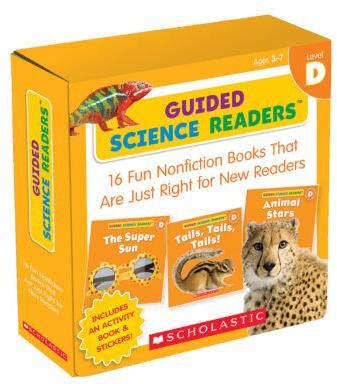
Scholastic Teaching Resources Guided Science Readers Pack DSet your child on the path to reading success with this exciting collection of little books on favorite science topics: sea turtles, ladybugs, chicks, ice cream, sea turtles, and many more. These level D books feature engaging photos paired with...23,99 $*Shipping: 0,00 $Secure redirect to the provider
-
Scholastic Teaching Resources Buddy Readers: Level D (Parent Pack)Young learners will love these funny, character-driven, easy-to-read storybooks correlated with guided-reading level D. This unique set includes 5 Mary Fairy stories, 5 Sam Snowman stories, 5 Harry Spider stories, and 5 Cave Kids storiesfor a total...20,39 $*Shipping: 0,00 $Secure redirect to the provider
-
Is organic sustainable?
Organic farming practices can be more sustainable than conventional methods in terms of reducing chemical inputs, promoting biodiversity, and improving soil health. However, there are challenges to the scalability and efficiency of organic farming, which can impact its overall sustainability. For example, organic farming typically requires more land and labor to produce the same amount of food as conventional methods, which can limit its ability to meet global food demand. Additionally, the transportation and distribution of organic products can have a higher environmental impact due to their shorter shelf life and the need for refrigeration. Overall, while organic farming has many sustainable benefits, there are also limitations to its long-term sustainability on a large scale. **
-
What are operational resources?
Operational resources refer to the physical, financial, human, and technological assets that a company uses on a day-to-day basis to carry out its business activities. These resources are essential for the organization to function efficiently and effectively. Examples of operational resources include machinery, equipment, inventory, cash, employees, and software systems. Proper management and allocation of operational resources are crucial for the success and sustainability of a business. **
-
What does resources mean?
Resources refer to the materials, tools, and assets that are available to be used in order to achieve a particular goal or objective. These can include natural resources such as water, minerals, and forests, as well as human resources such as labor and expertise. In a broader sense, resources can also encompass financial capital, technology, and knowledge that can be utilized to create value or solve problems. Overall, resources are the essential components that enable individuals, organizations, and societies to function and thrive. **
-
What are living resources?
Living resources refer to the various organisms and ecosystems that are essential for supporting life on Earth. This includes plants, animals, microorganisms, and the habitats they live in. These resources provide food, medicine, raw materials, and ecological services that are vital for human survival and well-being. Protecting and managing living resources is crucial for maintaining biodiversity and ensuring the sustainability of ecosystems. **
* All prices are inclusive of VAT and, if applicable, plus shipping costs. The offer information is based on the details provided by the respective shop and is updated through automated processes. Real-time updates do not occur, so deviations can occur in individual cases. ** Note: Parts of this content were created by AI.