Buy ecovignet.eu ?
We are moving the project
ecovignet.eu .
Are you interested in purchasing the domain
ecovignet.eu ?
domain@kv-gmbh.de · 0541-91531010
Buy ecovignet.eu ?
When do ferns bloom?
Ferns do not actually bloom like flowering plants. Instead, they reproduce through spores that are produced on the underside of their fronds. These spores are released into the air and can eventually grow into new fern plants. This method of reproduction is different from flowering plants, which produce seeds through the process of flowering and pollination. **
Can ferns be crossed?
Yes, ferns can be crossed through a process called hybridization. This involves transferring pollen from one fern plant to the female reproductive organs of another fern plant to create a new hybrid fern. This can result in the creation of new fern varieties with unique characteristics that may not exist in either parent plant. Hybridization is a common practice in plant breeding to create new plant varieties with desirable traits. **

Similar search terms for Stupell-Mushrooms-Ferns-Printed
Top-Angebote
Products related to Stupell-Mushrooms-Ferns-Printed:


-
What are mosses and ferns?
Mosses and ferns are both types of non-flowering plants that reproduce through spores rather than seeds. Mosses are small, simple plants that typically grow in dense green clumps or mats in damp or shady environments. They have no true roots, stems, or leaves, and instead absorb water and nutrients through their thin, thread-like structures. Ferns, on the other hand, are larger and more complex plants with roots, stems, and leaves. They are known for their distinctive fronds and are commonly found in moist, shady areas. Both mosses and ferns play important roles in their ecosystems, providing habitat for other organisms and helping to regulate the environment. **
-
How old can asparagus ferns get?
Asparagus ferns can live for many years, with some specimens reaching up to 20 years or more in age. With proper care and maintenance, these plants can continue to thrive and grow for a long time. Asparagus ferns are known for their longevity and can be a great addition to a garden or indoor space for many years. **
-
How often do you water ferns?
Ferns generally prefer consistently moist soil, so they should be watered regularly. This usually means watering them about once a week, but the frequency may vary depending on the specific type of fern, the size of the pot, and the environmental conditions. It's important to monitor the soil moisture and adjust the watering schedule as needed to keep the soil consistently moist but not waterlogged. **
-
What is the significance of ferns?
Ferns are significant for several reasons. They are some of the oldest plants on Earth, dating back to over 360 million years ago, and have played a crucial role in the evolution of plant life. Ferns are also important for their ecological role, as they are often found in forest understories and provide habitat and food for various animals. Additionally, ferns have cultural significance in many societies, often being used as decorative plants and having symbolic meanings in different cultures. Overall, ferns are significant for their historical, ecological, and cultural importance. **


What is the difference between organic and eco-friendly products?
Organic products are made from ingredients that are grown without the use of synthetic pesticides, herbicides, or fertilizers, and are often certified by a regulatory body. Eco-friendly products, on the other hand, are designed to have minimal impact on the environment throughout their entire lifecycle, from production to disposal. While organic products focus on the natural ingredients used, eco-friendly products consider the overall environmental impact of the product. In essence, organic products focus on the ingredients, while eco-friendly products focus on the entire product lifecycle. **
How can I make the environment free of mushrooms?
To make the environment free of mushrooms, you can start by removing any decaying organic matter such as leaves, wood, or mulch from the area. This will eliminate the food source for mushrooms. Additionally, improving drainage in the area can help prevent moisture buildup, as mushrooms thrive in damp conditions. You can also consider using fungicides or other chemical treatments to prevent mushroom growth, but it's important to use these products carefully and according to the instructions to minimize their impact on the environment. Regularly monitoring and maintaining the area will also help prevent mushrooms from growing. **
Top-Angebote
Products related to Stupell-Mushrooms-Ferns-Printed:
-
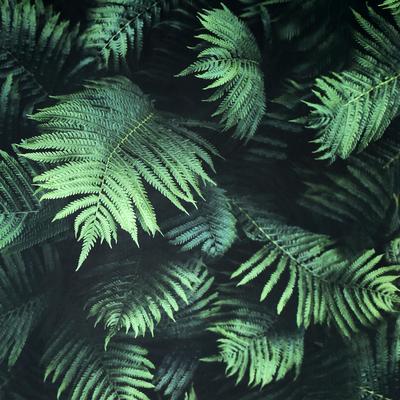
Arthouse Winona Green Ferns WallpaperThis photographic wallpaper adds a striking design to your walls and makes it almost look 3D, the deep green colours of the fern leaves look to be coming out of the paper. Wallpaper a room or a single wall and make your mark on your home.27,49 $*Shipping: 0,00 $Secure redirect to the provider
-
When do ferns bloom?
Ferns do not actually bloom like flowering plants. Instead, they reproduce through spores that are produced on the underside of their fronds. These spores are released into the air and can eventually grow into new fern plants. This method of reproduction is different from flowering plants, which produce seeds through the process of flowering and pollination. **
-
Can ferns be crossed?
Yes, ferns can be crossed through a process called hybridization. This involves transferring pollen from one fern plant to the female reproductive organs of another fern plant to create a new hybrid fern. This can result in the creation of new fern varieties with unique characteristics that may not exist in either parent plant. Hybridization is a common practice in plant breeding to create new plant varieties with desirable traits. **
-
What are mosses and ferns?
Mosses and ferns are both types of non-flowering plants that reproduce through spores rather than seeds. Mosses are small, simple plants that typically grow in dense green clumps or mats in damp or shady environments. They have no true roots, stems, or leaves, and instead absorb water and nutrients through their thin, thread-like structures. Ferns, on the other hand, are larger and more complex plants with roots, stems, and leaves. They are known for their distinctive fronds and are commonly found in moist, shady areas. Both mosses and ferns play important roles in their ecosystems, providing habitat for other organisms and helping to regulate the environment. **
-
How old can asparagus ferns get?
Asparagus ferns can live for many years, with some specimens reaching up to 20 years or more in age. With proper care and maintenance, these plants can continue to thrive and grow for a long time. Asparagus ferns are known for their longevity and can be a great addition to a garden or indoor space for many years. **
Similar search terms for Stupell-Mushrooms-Ferns-Printed
-
How often do you water ferns?
Ferns generally prefer consistently moist soil, so they should be watered regularly. This usually means watering them about once a week, but the frequency may vary depending on the specific type of fern, the size of the pot, and the environmental conditions. It's important to monitor the soil moisture and adjust the watering schedule as needed to keep the soil consistently moist but not waterlogged. **
-
What is the significance of ferns?
Ferns are significant for several reasons. They are some of the oldest plants on Earth, dating back to over 360 million years ago, and have played a crucial role in the evolution of plant life. Ferns are also important for their ecological role, as they are often found in forest understories and provide habitat and food for various animals. Additionally, ferns have cultural significance in many societies, often being used as decorative plants and having symbolic meanings in different cultures. Overall, ferns are significant for their historical, ecological, and cultural importance. **
-
What is the difference between organic and eco-friendly products?
Organic products are made from ingredients that are grown without the use of synthetic pesticides, herbicides, or fertilizers, and are often certified by a regulatory body. Eco-friendly products, on the other hand, are designed to have minimal impact on the environment throughout their entire lifecycle, from production to disposal. While organic products focus on the natural ingredients used, eco-friendly products consider the overall environmental impact of the product. In essence, organic products focus on the ingredients, while eco-friendly products focus on the entire product lifecycle. **
-
How can I make the environment free of mushrooms?
To make the environment free of mushrooms, you can start by removing any decaying organic matter such as leaves, wood, or mulch from the area. This will eliminate the food source for mushrooms. Additionally, improving drainage in the area can help prevent moisture buildup, as mushrooms thrive in damp conditions. You can also consider using fungicides or other chemical treatments to prevent mushroom growth, but it's important to use these products carefully and according to the instructions to minimize their impact on the environment. Regularly monitoring and maintaining the area will also help prevent mushrooms from growing. **
* All prices are inclusive of VAT and, if applicable, plus shipping costs. The offer information is based on the details provided by the respective shop and is updated through automated processes. Real-time updates do not occur, so deviations can occur in individual cases. ** Note: Parts of this content were created by AI.